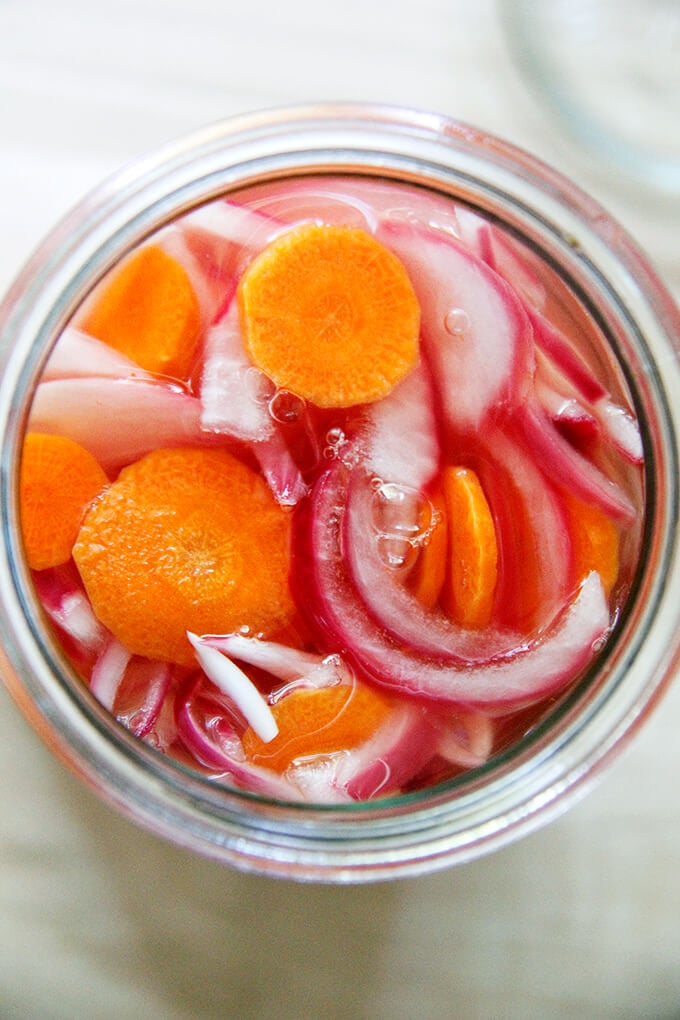
Unlock a World of Flavor with Homemade Refrigerator Pickles
Are you ready to elevate your culinary game with minimal effort and maximum reward? Imagine biting into a crisp, tangy pickle that perfectly complements your favorite sandwich, adds a vibrant zing to grilled meats, or brightens up a simple salad. While store-bought pickles certainly have their place, mastering the art of homemade refrigerator pickles is a revelation. Not only is the process incredibly simple, but it also opens up an endless realm of flavor possibilities that you simply can't find on a supermarket shelf. Forget complicated canning or special equipment – this method is all about fresh, quick, and customized deliciousness.
There’s a unique satisfaction in creating something from scratch, especially when it’s as easy and impactful as these pickles. Just like mastering Easy Refrigerator Pickles: Memorize This Formula, Pickle Anything, you’ll discover that this simple technique is a versatile superpower in your kitchen. Whether it's the height of sandwich season and you need that perfect briny crunch to pair with deli turkey and Swiss, or you're looking for an acidic counterpoint to rich dishes like pulled pork or fried chicken, homemade refrigerator pickles are your go-to.
The Essential Brine Formula: Simple Refrigerator Pickles, Memorize This Formula, Pickle Anything!
The beauty of refrigerator pickles lies in their straightforward brine. Once you understand this fundamental ratio, you'll feel empowered to experiment with virtually any vegetable and flavor profile. It truly is the core concept behind simple refrigerator pickles, memorize this formula, pickle anything and you'll be set for life.
Mastering the Basic Brine Ingredients:
- Vinegar: This is the hero, providing the essential acidity for both flavor and preservation. White vinegar is a classic choice, offering a clean, sharp tang.
- Water: Used in equal quantities to the vinegar, it dilutes the acidity, creating a balanced, palatable brine.
- Sugar: Granulated sugar balances the sharpness of the vinegar, adding a crucial sweet counterpoint. The amount can be adjusted based on your preference for a sweeter or more tart pickle.
- Kosher Salt: Essential for flavor, salt also contributes to the crispness of the vegetables. Kosher salt is preferred for its purity and lack of anti-caking agents.
- Black Pepper: Freshly cracked black pepper adds a subtle, aromatic warmth.
The Simple Steps to Brine Perfection:
- Combine & Dissolve: In a heat-proof jar (a 32-ounce Mason jar is ideal), combine equal parts hot water and your chosen vinegar. Add the sugar, kosher salt, and black pepper. Secure the lid and shake vigorously until the sugar and salt are completely dissolved. The hot water aids significantly in this process, ensuring an evenly mixed brine.
- Add Your Vegetables: Once the brine is ready, tightly pack your thinly sliced vegetables into the jar.
- Ensure Coverage: Press the vegetables down until they are fully submerged in the pickling liquid. This is crucial for proper pickling and to prevent spoilage.
- Chill: Store in the refrigerator. While some quick pickles are ready in as little as 30 minutes, like those mentioned in Quick Homemade Refrigerator Pickles: Ready in 30 Mins for Any Meal, the flavors deepen and meld beautifully after at least a few hours, or even overnight.
This core formula is incredibly forgiving. For a tart pickle, reduce the sugar to about ¼ cup per batch. For a sweeter profile, you can increase it slightly. Always ensure your brine completely covers your chosen vegetables to guarantee they pickle evenly and stay fresh.
Endless Vegetable Possibilities Beyond Cucumber
When most people think of pickles, cucumbers immediately come to mind. And while thinly sliced Kirby pickles or English cucumbers make fantastic refrigerator pickles, the true magic of this method is its adaptability to almost any crisp vegetable. This is where the "pickle anything" part of our core philosophy truly shines.
Popular & Creative Vegetable Choices:
- Classic Cucumbers & Onions: Thinly sliced pickling cucumbers and sweet onions (or red onions for a pop of color and sharper bite) are a timeless pairing.
- Bell Peppers & Fennel: Sliced bell peppers (any color) offer a sweet crunch, while thinly shaved fennel brings a delightful anise note.
- Cruciferous Crunch: Cauliflower and broccoli florets, kohlrabi, or even Brussels sprouts halves transform into wonderfully tangy bites.
- Root Vegetables: Thinly sliced carrots, radishes, or even parsnips develop a fantastic texture and flavor when pickled. Think vibrant pickled carrots for tacos or tangy radishes for salads.
- Spicy & Zesty: Jalapeños, serrano peppers, or red chili peppers can be pickled whole or sliced, bringing a fiery kick to any dish.
- Greens & Beans: Try pickling green beans, asparagus spears, or even ramp bulbs for seasonal delights.
Tips for Perfect Vegetable Prep:
- Uniform Slicing: For best results and even pickling, aim for consistent thickness. A mandoline is an invaluable tool for achieving paper-thin, uniform slices of cucumbers, onions, and root vegetables. Always use caution and a guard when operating a mandoline! A sharp kitchen knife works well too, just take your time.
- Varied Textures: Don't be afraid to mix and match. Combine crunchy carrots with softer onions, or firm cauliflower with delicate bell peppers.
- Experiment with Shapes: Beyond slices, consider spears, wedges, or small florets depending on the vegetable and its intended use.
Flavor Swaps and Boosters: Customizing Your Brine
This is where the fun really begins! Once you have the basic brine formula down, you can start to play with different ingredients to create pickles that are uniquely yours, perfectly tailored to your palate or the dish you're pairing them with.
Vinegar Variations:
- White Wine Vinegar: Offers a softer, more nuanced acidity, great for delicate vegetables.
- Apple Cider Vinegar: Adds a fruity, slightly sweeter, and more complex tang that pairs wonderfully with root vegetables or robust greens.
- Sherry Vinegar: Brings a rich, nutty, and slightly sweet undertone, fantastic with mushrooms or onions.
- Rice Vinegar: Milder and slightly sweet, ideal for Asian-inspired pickles.
Aromatic Enhancements (Spices & Herbs):
Infuse your brine with whole or crushed spices for an incredible depth of flavor. A few sprigs of fresh herbs can also transform your pickles.
- Classic Spice Blend: Mustard seeds, dill seeds, coriander seeds, and a few red pepper flakes for a touch of heat.
- Warm & Earthy: Whole peppercorns, bay leaves, and a few cloves.
- Mediterranean Flair: Fennel seeds, dried oregano, and a sprig of fresh rosemary.
- Indian-Inspired: Cumin seeds, turmeric powder (for color and flavor), and a pinch of fenugreek seeds.
- Fresh Herbs: Dill fronds are a classic, but try tarragon for an anise note, parsley for freshness, or even thyme or oregano.
- Garlic & Chili: Whole peeled garlic cloves or thinly sliced fresh chili peppers (like jalapeños or serranos) are simple, potent additions for flavor and heat.
Sweetener Adjustments:
Beyond granulated sugar, consider a touch of honey or maple syrup for a different kind of sweetness and depth, especially with apple cider vinegar. Just be mindful that these can add their own distinct flavors.
Practical Tips for the Best Refrigerator Pickles
Even with a simple process, a few key tips can elevate your homemade pickles from good to extraordinary.
- Always Submerge: As reiterated earlier, ensure all vegetables are completely covered by the brine. Any exposed vegetable risks spoilage. You can use a small glass weight or even a clean, heavy stone to keep them submerged if needed.
- The Power of Chilling: While some pickles are ready to enjoy quickly, the flavor intensifies and the vegetables become perfectly crisp after at least 24 hours in the refrigerator. Plan ahead for optimal results.
- Storage is Key: Store your refrigerator pickles in an airtight jar or container in the fridge. They typically last for 2-3 weeks, though their crispness might soften slightly over time. Always use a clean fork or slotted spoon to remove pickles to prevent contamination.
- Mandoline Safety: If using a mandoline, always use the safety guard to protect your fingers. Alternatively, a very sharp knife and a steady hand will do the trick.
- Reusing Brine? While you *can* reuse brine, it's generally not recommended for optimal flavor or safety for more than one extra batch, especially if it's been diluted by the vegetables. For best results, always make a fresh batch of brine.
Serving Suggestions: Beyond the Sandwich
Your homemade refrigerator pickles are incredibly versatile. Of course, they're perfect for sandwiches and burgers, but don't stop there!
- BBQ & Grilled Meats: Their acidity cuts through the richness of pulled pork, shredded BBQ chicken, or grilled steak.
- Southern Comfort: A fantastic counterpoint to fried chicken, collard greens, or mac and cheese.
- Global Cuisine: Add a bright crunch to tacos, grain bowls, or Asian-inspired noodle dishes.
- Appetizers & Platters: Serve on charcuterie boards, alongside pâté, or as part of an antipasto spread.
- Breakfast & Brunch: A zesty addition to eggs, especially avocado toast or a breakfast burrito.
- Cocktails: Don't forget the classic Bloody Mary! Pickled asparagus or green beans are excellent garnishes.
The refreshing zing and satisfying crunch of homemade pickles truly enhance almost any savory dish.
Conclusion
Making your own refrigerator pickles is one of the most rewarding and straightforward kitchen endeavors you can undertake. With a simple, adaptable brine formula, you gain the power to transform a vast array of vegetables into crisp, tangy, and endlessly customizable flavor bombs. From classic cucumbers to exotic kohlrabi, and with a spectrum of spices and vinegars at your fingertips, you're not just making pickles – you're crafting culinary experiences. So, gather your favorite vegetables, remember this easy formula, and embark on your journey to homemade pickle perfection. Your taste buds, and your sandwiches, will thank you!
