Unlock Instant Flavor: Why Easy Refrigerator Pickles Are Your Kitchen's New Best Friend
There’s a certain magic that happens when you add a perfectly tangy, crisp pickle to a meal. It elevates simple sandwiches, cuts through rich flavors, and adds an undeniable zing that awakens the palate. While store-bought options certainly have their place, imagine the satisfaction of reaching for a jar of homemade pickles, crafted with your own hands, and ready in minutes. This isn't a pipe dream for experienced canners; it's the accessible reality of simple refrigerator pickles, and once you memorize this formula, you can literally pickle anything!
For many, the thought of "making pickles" conjures images of complex canning equipment, boiling water baths, and hours of labor. But refrigerator pickles are a game-changer. They require minimal prep time, no special sterilization, and no cooking beyond dissolving some brine ingredients. They are the ultimate quick condiment, perfect for sandwich season, summer cookouts, or simply having a delicious, tangy snack on hand.
The Master Formula: Simple Refrigerator Pickles You'll Memorize
The beauty of refrigerator pickles lies in their remarkably straightforward brine. Forget complicated recipes with long ingredient lists. This core formula is so adaptable and easy to remember that it will become your go-to for pickling any vegetable you desire. It's truly a secret weapon in the kitchen, allowing you to pickle anything with confidence and creativity.
Essential Brine Ingredients & Their Purpose
At its heart, a quick pickling brine consists of just four main components, plus water:
- Vinegar: This is the star, providing the essential acidity for both flavor and preservation. White vinegar is a classic for its clean, neutral profile, letting the vegetable shine. However, don't limit yourself! White wine vinegar offers a softer, more nuanced tang, apple cider vinegar brings a fruity depth, and sherry vinegar adds a sophisticated, slightly nutty note. The type of vinegar you choose will subtly influence the final flavor of your pickles, so feel free to experiment.
- Water: Equal parts hot water and vinegar are typically used. The hot water helps dissolve the sugar and salt quickly, creating a uniform brine.
- Sweetener (Sugar): Granulated sugar is commonly used to balance the sharp acidity of the vinegar. This creates that delightful sweet-and-sour profile that makes pickles so addictive. The amount can be adjusted to your preference – more for a sweeter pickle, less for a tart one. Some even use honey or maple syrup for a different flavor dimension.
- Salt: Kosher salt is preferred for pickling because it's free of anti-caking agents and iodine, which can sometimes cloud the brine or affect flavor. Salt not only enhances flavor but also contributes to the crispness of the vegetables.
- Optional Seasoning: Freshly cracked black pepper is a popular addition for a hint of spice, but this is where the fun begins with flavor variations!
Step-by-Step Guide to Pickling Anything
With these simple ingredients in hand, you're ready to create your own delicious, personalized pickles. Here's the core process:
- Prepare Your Brine: In a heat-proof jar (a 32-ounce Mason jar is ideal), combine equal quantities of hot water and your chosen vinegar. Add your granulated sugar, kosher salt, and any initial seasonings like black pepper. Secure the lid and shake vigorously until the sugar and salt are completely dissolved. This simple step forms the foundation of your simple brine, ready for endless flavor swaps.
- Prepare Your Vegetables: This is where the magic of "pickle anything" truly comes to life. For cucumbers and onions, thin slices are best. A mandoline can achieve incredibly uniform, thin slices quickly, ensuring even pickling and a delightful texture. Always exercise extreme caution when using a mandoline, or use a sharp chef's knife for safety. Other vegetables might benefit from different cuts: cauliflower and broccoli florets, julienned carrots, thinly sliced radishes or bell peppers, or even whole ramp bulbs.
- Combine and Chill: Pack your prepared vegetables into the jar with the brine. Gently press them down to ensure they are fully submerged in the liquid. This is crucial to prevent spoilage and ensure even pickling. Close the jar and refrigerate. While some quick pickles are ready in as little as 30 minutes, most refrigerator pickles benefit from at least 2-4 hours of chilling, or even overnight, for the flavors to fully meld and for the vegetables to absorb the tangy goodness.
This effortless method is precisely why these are called simple refrigerator pickles. Once you memorize this formula, you'll be able to confidently walk into your kitchen and instantly transform any fresh produce into a vibrant, tangy condiment. From kohlrabi to bell peppers, fennel to cauliflower, broccoli to ramp bulbs, the possibilities are truly endless.
Beyond Cucumbers: Pickle Anything with This Versatile Method
While cucumbers (especially Kirby pickles) and sweet onions are classic choices, this fundamental pickling formula is incredibly forgiving and adaptable to almost any vegetable. It’s an open invitation to experiment with your farmers' market haul or that lonely veggie in the back of your fridge. Think beyond the ordinary:
- Root Vegetables: Thinly sliced carrots, radishes, or even parsnips can develop a wonderful crisp texture and tangy flavor.
- Brassicas: Small florets of cauliflower or broccoli become delightful and offer a satisfying crunch.
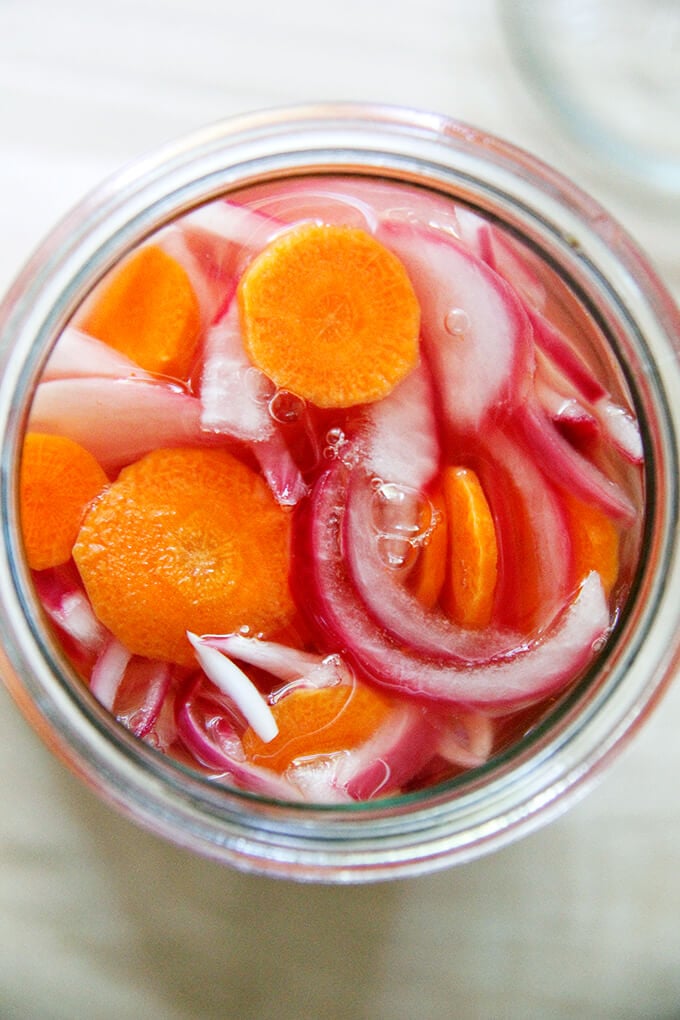
- Alliums: Beyond sweet onions, try red onions for a beautiful color, or shallots for a milder, more delicate taste.
- Peppers: Bell peppers (any color!), thinly sliced jalapeños, or even Fresno chilies can be pickled for a sweet-spicy kick.
- Summer Squashes: Thinly sliced zucchini or yellow squash makes surprisingly refreshing pickles.
- Unique Finds: Don't hesitate to try kohlrabi, asparagus, green beans, or even thinly sliced fennel.
The key is consistency in slicing or cutting your vegetables so they pickle evenly. Experiment with different combinations in one jar for a medley of flavors and textures!
Flavor Variations & Boosting Your Brine
The basic brine is a fantastic starting point, but don't be afraid to customize it. This is where your pickles truly become "yours."
- Spice it Up: Add whole peppercorns, coriander seeds, mustard seeds, or fennel seeds directly to the brine for an aromatic complexity. A pinch of red pepper flakes can provide a gentle heat.
- Herbal Notes: Fresh dill sprigs are quintessential for cucumber pickles, but consider tarragon for an anise-like flavor, or parsley for a fresh, earthy undertone.
- Sweet vs. Tart: As mentioned, adjust the sugar content. For a noticeably tart pickle, reduce the sugar to about ¼ cup per batch. For a sweeter profile, you can increase it slightly.
- Garlic & Shallots: A few peeled garlic cloves or thinly sliced shallots can infuse a wonderful savory depth into your pickles.
Tips for Perfect Pickles Every Time & Serving Suggestions
To ensure your homemade pickles are always a success, keep these practical tips in mind:
- Brine Coverage: Always ensure your vegetables are completely submerged in the pickling liquid. Any exposed vegetables can spoil. If you're short on brine, simply mix a little more of the basic formula.
- Storage: Refrigerator pickles, as the name suggests, must always be stored in the refrigerator in an airtight jar or container. They typically last for 2-3 weeks, though they're often eaten much faster!
- Patience (A Little): While they are "quick," the flavors truly develop and deepen after a few hours or overnight. If you can resist, waiting a bit longer will yield the best results. For those times you need them *now*, check out these Quick Homemade Refrigerator Pickles: Ready in 30 Mins for Any Meal!
Now that you've mastered the art of making simple refrigerator pickles, what do you do with them? The answer is almost anything! They are incredibly versatile:
- Sandwiches & Burgers: The classic pairing. From simple deli turkey and Swiss to gourmet roasted sweet potato and ramp aioli sandwiches, pickles make everything better. They're also essential on hot dogs and burgers.
- BBQ & Grilled Meats: Their bright acidity cuts through the richness of pulled pork, shredded BBQ chicken, or even fried chicken, offering a refreshing contrast.
- Salads & Bowls: Chop them up and add to green salads, potato salad, tuna salad, or grain bowls for a burst of flavor and crunch.
- Alongside Savory Dishes: Serve them with seasoned fish, tacos, or any rich savory meal that could use a touch of tang.
- Snacking: Sometimes, a crisp, cold pickle straight from the jar is the perfect satisfying snack!
The beauty of homemade pickles is not just in their superior taste and texture, but in the pride of knowing you created something delicious and wholesome with minimal effort. This easy method truly empowers you to pickle anything, opening up a world of fresh, vibrant flavors for your everyday meals.
Conclusion
Embracing the world of easy refrigerator pickles is a culinary revelation. With a straightforward brine formula you can effortlessly memorize, you gain the power to transform virtually any vegetable into a crisp, tangy, and utterly delicious condiment. No longer will you dread the idea of "making pickles"; instead, you'll find joy in the simplicity and versatility of this method. So, grab a jar, gather your favorite produce, and start pickling – your sandwiches, salads, and taste buds will thank you for it!
